


At Fovarya, quality matters, and delivery is only the beginning. Great olive oil is a craft, but it also needs protection long after it leaves the mill. Oxygen, light, heat, water and sediment can quietly erode its value within months. The bulk olive oil storage practices below help keep every lot extra virgin until it reaches the packaging line.
Key Takeaways for Bulk Olive Oil Storage
Short on time? Here is what matters most:
- Oxygen: protect the headspace with nitrogen and re-inert after every draw-off.
- Containers: store in food-grade stainless steel; keep IBCs and drums for short-term use.
- Environment: a stable 13–25 °C, in the dark, away from odours.
- Water and transfers: purge tank bottoms regularly and use clean, dry equipment.
- Control: check every lot at reception and compare it with its initial analysis during storage.
Keep Oxygen on a Short Leash
Oxygen is the quiet force behind staling: it strips away fruitiness, polyphenols and aromas. It enters during filling, but also during transfers, pumping and every unnecessary lid opening.
The International Olive Council (IOC) recommends filling the headspace (the air space above the oil) with nitrogen or argon, and keeping a slight inert-gas pressure in tanks and pipes [1]. Nitrogen does not improve an oil; it simply prevents further damage, and only works with well-sealed tanks and controlled pressure. Major operators such as Deoleo apply the same rule: stainless steel, filtered oil, inert gas and stable temperature [2].
Start with the Right Tank
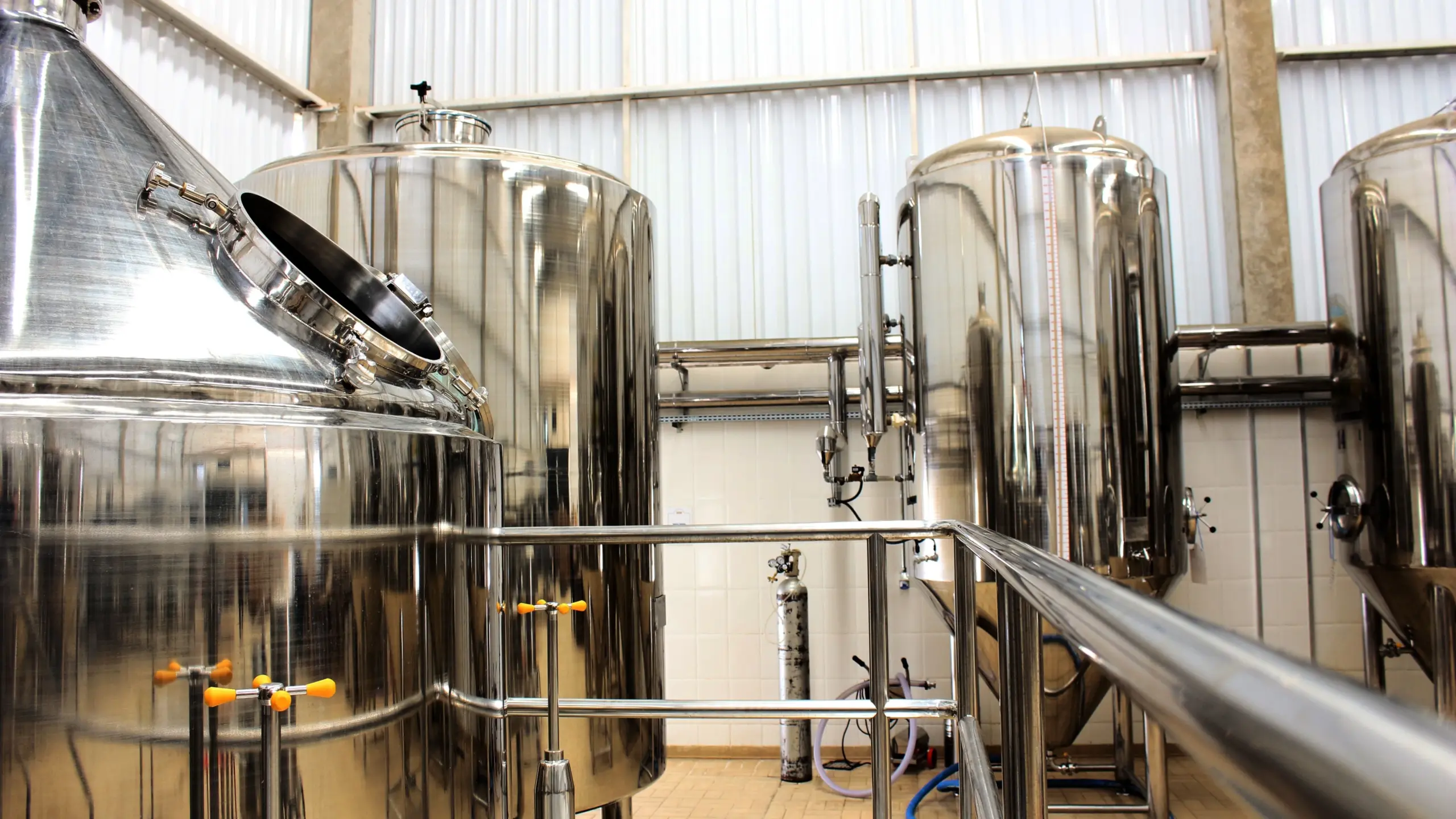
Food-grade stainless steel remains the standard: inert, opaque and easy to clean. The IOC recommends watertight tanks with a conical or sloped bottom, bottom filling and emptying, and sampling valves [3].
Match the Container to the Use
Each container has its role:
- Stainless steel tanks: the best choice for storage of several months.
- Food-grade IBCs (1,000 L): practical for transport and short-term holding. Plastic IBCs protect less against light and oxygen, so keep them in the dark and empty them quickly.
- Lined steel drums: suited to small volumes, as long as they stay full and sealed.
- Flexitanks: for shipping only; transfer the oil into a tank on arrival.
When you draw oil gradually, the air space grows with every withdrawal. Re-inert after each draw-off [1], avoid half-empty tanks and move the rest into a smaller container when needed. Plan container sizes so they stay as full as possible, record every withdrawal, and apply first-in, first-out: the oldest lot leaves first.
Keep It Cool, Dark and Away from Odours
Heat accelerates deterioration [4]. The IOC recommends a storage room between 13 and 25 °C [1], while day-to-day stability matters more than chasing one perfect figure.
Give tanks a dark, quiet place away from sunlight and heat sources. Olive oil also absorbs odours easily, so never store it near chemicals, fuels or spices.
Manage Water and Sediment
Water and fine particles settling at the bottom can raise acidity and create off-flavours. Purge tank bottoms following a written procedure, more often for unfiltered oil or long storage. A conical bottom makes this easier, but never replaces inspection. For long storage, prefer filtered oil and discuss it with your supplier before purchase.
Transfers Deserve the Same Care as Storage
A single careless transfer can damage a well-stored oil. Use clean, dry, food-grade equipment, and avoid free-fall drops, turbulence and foaming. Before loading, check the lot number, seals and documents. Even a trace of detergent or water can compromise compliance.
Check Every Lot, From Reception to Shipment
At reception, ask for the lot number, harvest season, certificate of analysis, commercial category and transport conditions. Check the seals and the oil temperature on arrival, and make sure the sample matches the lot. Keep a reference sample of every lot. A claim such as “high in polyphenols” needs a dated lab result. Origin matters too: learn why we source our oils from Tunisia.
During storage, the key indicators are free acidity, peroxide value and a sensory check. Test more often for long storage or high-value lots, and compare each result with the initial analysis to act before the oil loses its grade. The IOC Trade Standard and Codex CXS 33-1981 set the international framework [5][6], alongside local rules and your HACCP plan.
Protect the Value, Not Just the Volume
The right tank, protected headspace, stable temperature, clean transfers and regular analyses keep EVOO fresh throughout its commercial life. At Fovarya, we turn that discipline into proof: lot sheets, traceability and full transparency.
Buying extra virgin olive oil in bulk? Request our lot sheets and certificates of analysis from the Fovarya team.
Operational Checklist
- Reception: lot identity, representative sample, certificate of analysis, temperature, transport integrity.
- Tank: food-grade stainless steel, opaque, watertight, sloped or conical bottom, drainage and sampling.
- Atmosphere: headspace protected by inert gas where the system allows.
- Temperature: continuous or documented monitoring; avoid heat and sharp variations.
- Draw-off: re-inert after each withdrawal, avoid half-empty tanks, first-in first-out.
- Sediment: inspection, decanting or filtration as specified, documented purging.
- Transfer: clean, dry, compatible equipment, low turbulence, minimal air intake.
- Monitoring: chemical and sensory analyses compared with the initial results.
- Shipment: seals, lot documents, food-grade tanker, full traceability.
Disclaimer: this guide provides general professional information. Temperatures, testing frequencies, gases, cleaning procedures and release criteria must be validated by your quality manager, laboratory, HACCP plan and local regulations.
References
- International Olive Council, Best practice guidelines for the storage of olive oils and olive pomace oils for human consumption, COI/BPS/Doc. No. 1/2018
- Deoleo, Deoleo shares best-practice to safeguard the quality and integrity of extra virgin olive oil throughout the value chain, 14 March 2022
- International Olive Council, Quality Management Guide for the Olive Oil Industry: Olive Oil Mills, T.33/Doc. No 2-4/2006
- Foods 7(11), 196 (2018), The effects of packaging and storage temperature on the shelf life of an extra virgin olive oil
- International Olive Council, Trade standard applying to olive oils and olive pomace oils
- FAO/WHO Codex Alimentarius, Standard for Olive Oils and Olive Pomace Oils, CXS 33-1981
 English
  Spanish
  French
  Italian
  German