


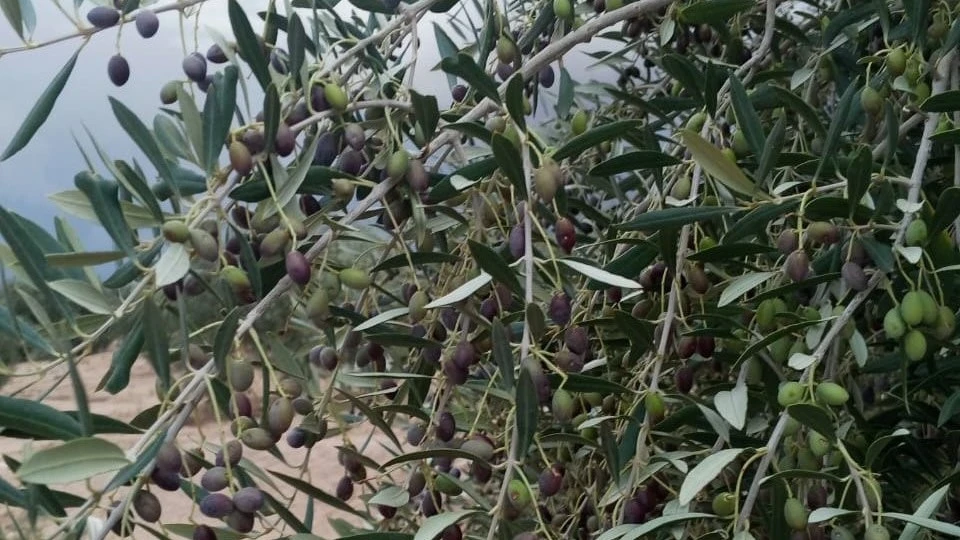
At Fovarya, we source our extra virgin olive oil directly from Tunisia, at the heart of the Mediterranean. Tunisia is one of the world’s leading olive oil producers and exporters, yet most buyers have never seen its name on a label [1]. For importers, distributors and private-label brands, that gap is an opportunity: a premium origin, still priced and perceived as a commodity.
Tunisia, the Invisible Potential
Tunisia’s low profile is not a quality problem. It is a visibility problem. Most of its oil leaves the country in bulk.
The quality is also reflected in recent international competitions. In 2026, Tunisian olive oils won 55 medals at the United States International Olive Oil Competition (USIOOC); Tunisian producers also received 49 gold medals at the European International Olive Oil Competition (EIOOC) in Geneva. At the Al-Ahram International Extra Virgin Olive Oil Competition “Cleopatra” in Cairo, Tunisia ranked first with 46 gold medals [2][3][4].
In the 2024/25 season, Tunisia produced about 340,000 tonnes of olive oil and exported about 275,000 tonnes [1]. Around 85% of 2025 exports left in bulk, and the EU absorbed 53% of them, mainly through Spain and Italy [1]. There, much of it is blended with other oils and sold under other origins and brands. The trend continues: from November 2025 to February 2026, 88.5% of exports were still shipped in bulk [5].
Tunisia is also among the world’s leading countries in certified organic olive growing, with about 144,000 ha of organic olive groves reported in 2026 [6]. Yet 91.7% of its organic exports left in bulk over the same period, without their origin on the label [5]. Fragmented producers and modest international marketing complete the picture.
The shift ahead is clear: sell oil identified by its variety, terroir, harvest and producer, not just a raw material.
3,000 Years of Olive Growing, from Carthage to Rome
Olive trees have grown in Tunisia for more than 3,000 years. Archaeological research shows that olive oil was central to Carthaginian and then Roman Africa [7][8]. Oil from North Africa supplied the great Mediterranean markets, and the Carthage–Rome route was one of the main oil trade corridors of the Roman world.
Some of those trees are still standing. Over the centuries, the olive tree adapted to every Tunisian landscape, from the green north to the arid south, and shaped a lasting farming, family and food culture.
Ancestral Varieties, Each With Its Own Signature
Tunisia holds one of the richest olive gene pools in the Mediterranean [9]. A 2024 genetic study examined 28 ancient Tunisian olive specimens collected from archaeological sites and found substantial genetic diversity, including links with Tunisian, Italian, Spanish and Greek olive varieties [10]. Each variety gives buyers a distinct profile to build a range around.
Chemlali, dominant in the Centre and South, gives fruity, smooth oils with almond notes and mild bitterness, ideal for everyday extra virgin ranges, retail and food service. Chétoui, grown mainly in the North, is greener and more intense, with fresh grass, artichoke and a peppery finish: a natural fit for premium, early-harvest and high-phenolic lines. Oueslati, Zarrazi, Sayali and Chemchali complete this heritage with regional profiles suited to monovarietal and specialty oils.
High-Polyphenol Olive Oil, Backed by Science
Tunisian varieties are recognised for their aromatic character and natural richness in phenolic compounds [11]. Polyphenols give olive oil its bitterness and pepper, extend its shelf life, and carry its antioxidant properties.
The data is striking. Monovarietal Chétoui oils from the Béja region showed high polyphenol levels [12].
Levels vary with variety, terroir, harvest date and milling. That is why Fovarya sources on lab results, not generic claims.
Hand-Harvested With Generations of Know-How
In Tunisia, the olive tree is more than a crop: it is a family inheritance. Tunisian cooking reflects it, with olive oil at the base of nearly every dish, from mechouia salad and ojja to couscous and bsissa.
That respect shows in the harvest. Olives are often picked by hand or with careful gestures to avoid bruising, wounds and heating of the fruit, then taken quickly to the mill. These practices match International Olive Council (IOC) guidance on limiting transport time and exposure to heat and air [13].
The result is measurable. Intact fruit keeps free acidity low, well within the IOC extra virgin limit of 0.8 g per 100 g [14]. Longer delays before milling, by contrast, raise acidity and oxidation [15]. Each lot is then confirmed by chemical and sensory analysis.
Where Tradition Meets Modern Technology
Modern Tunisian olive oil is the result of a balance between heritage and technology. Traditional harvesting and farmers’ know-how now work alongside automated mills, rapid crushing, temperature control and modern traceability systems. According to the FAO, automated units represent about two-thirds of Tunisia’s crushing capacity [16]. On some estates, olives are crushed within two hours of harvest, preserving freshness and limiting fermentation defects. Tunisian companies also use blockchain, specialised laboratories and artificial intelligence to control quality and follow the oil from grove to bottle [17].
In short, modernity means mastering every minute between the tree and the bottle: fast milling, controlled temperature and oxygen, full traceability and more bottling in Tunisia [18]. Tunisia does not only have a millennia-old tradition; it has an olive sector moving toward more precise, transparent production that meets international standards.
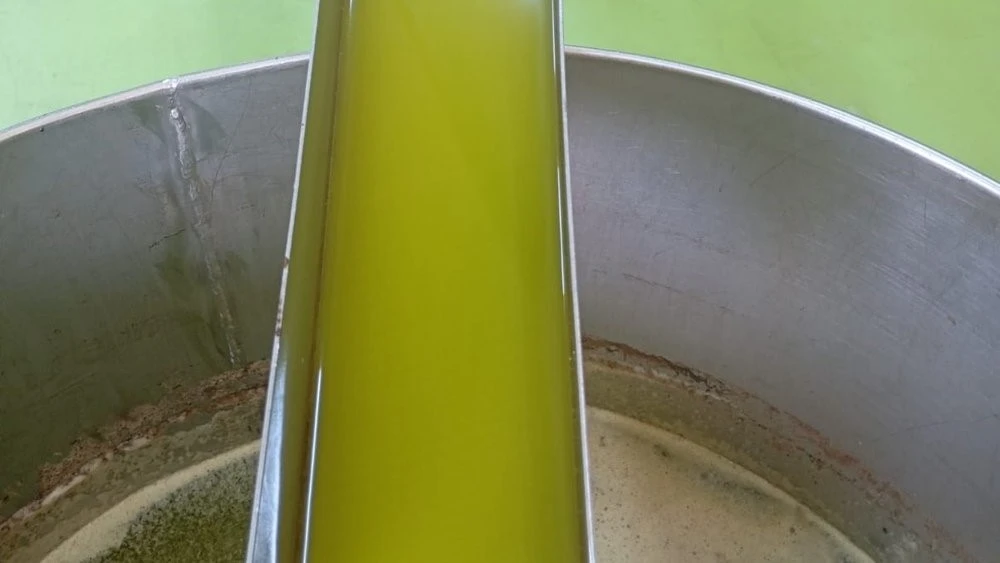
Freshly extracted extra virgin olive oil at a Tunisian mill
At Fovarya, we make sure every oil meets the highest quality standards. We select only extra virgin oils that comply with IOC criteria, with low free acidity, a rich polyphenol profile and a clean, fruity taste [14]. control storage conditions and keep every lot fully traceable [13][19]. Once the oil is delivered, its quality must be protected: read our practical guide to bulk olive oil storage.
Why Source Tunisian Olive Oil With Fovarya
Fovarya turns Tunisia’s invisible potential into a visible advantage for your brand. We select oils directly at origin, by variety, region and harvest, with each lot backed by lab analysis and traceability.
Bulk extra virgin olive oil, private label or a branded Tunisian origin, conventional or organic: we adapt volumes and specifications to your market.
Ready to taste the difference? Request samples, technical sheets and pricing from the Fovarya team.
References
- DG Trésor (French Treasury), Olive oil, a key sector of Tunisian agriculture focused on the European market
- L’Économiste Maghrébin, La Tunisie sur la plus haute marche du concours américain de l’huile d’olive, June 2026
- GNet News, Huile d’olive : la Tunisie rafle 49 médailles d’or au Concours européen international de Genève, April 2026
- Webdo, Huile d’olive : la Tunisie sacrée au Caire avec 46 médailles d’or, February 2026
- ONAGRI, Tunisian olive oil export monitoring, November 2025 – February 2026
- TAP, Tunisia leads world in organic olive production, March 2026
- Mattingly, Journal of Roman Archaeology, Oil for export? A comparison of Libyan, Spanish and Tunisian olive oil production in the Roman empire
- van der Veen et al., University of Leicester, Diet and Vegetation at Ancient Carthage: The Archaeobotanical Evidence
- Saddoud Debbabi et al., Plants (2022), The Status of Genetic Resources and Olive Breeding in Tunisia
- Horticulturae 11(2), 147, Unveiling the Genetic Diversity of Tunisian Monumental Olive Trees to Enhance the Olive Sector
- Journal of Food Science, The occurrence and bioactivity of polyphenols in Tunisian olive products and by-products: a review
- Polish Journal of Food and Nutrition Sciences, Chemical Composition of Monovarietal Extra Virgin Olive Oils Obtained from Tunisian Chétoui Olives
- International Olive Council, Best practice guidelines for the storage of olive oils and olive pomace oils for human consumption
- International Olive Council, Trade standard applying to olive oils and olive pomace oils
- PMC, Effect of Duration of Olive Storage on Chemical and Sensory Characteristics of Olive Oil
- FAO, Innovation is key to improving Tunisian olive oil sustainability and quality
- Olive Oil Times, Technology Drives the Ambitions of Tunisia’s Largest Olive Oil Producer
- ILO, Olive oil value chain in Tunisia (STED report)
- PMC, The effects of packaging and storage temperature on the shelf life of an extra virgin olive oil
 English
  Spanish
  French
  Italian
  German