Sourcing bulk olive oil: grades, specs and what to check before you buy
The difference between extra virgin, virgin and refined; the lab values that define each; and the questions that protect you on a bulk purchase.
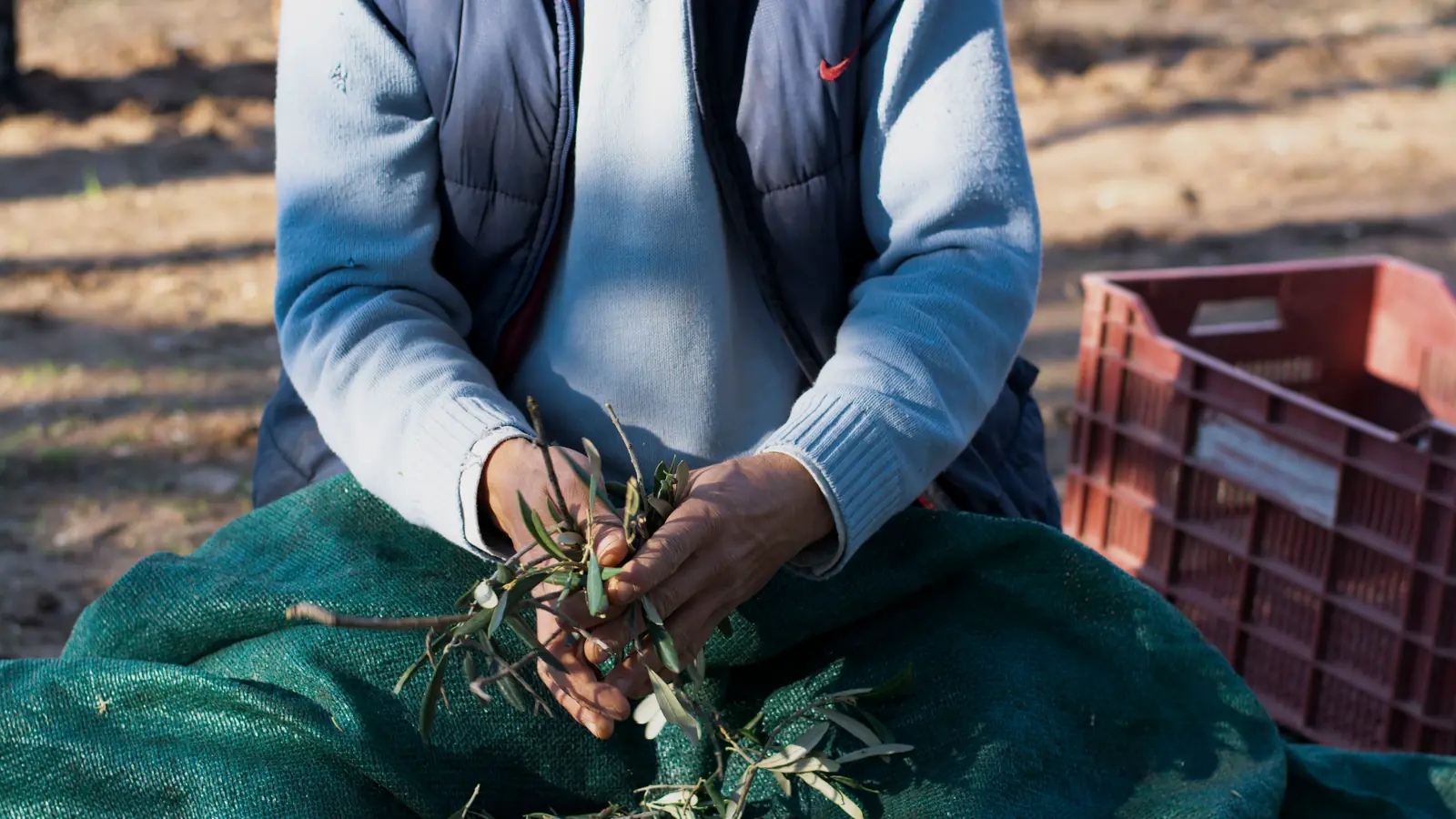
Buying olive oil in bulk means buying to a specification, not a label. The grade names are legal categories backed by laboratory limits, and the gap between a good lot and a marginal one is often invisible until you test it. Here is what to check.
The grades
Extra virgin is mechanically extracted, has a free acidity no higher than 0.8 per cent, and passes a sensory panel with zero defects and positive fruitiness. Virgin allows up to 2.0 per cent acidity and minor sensory faults. Refined olive oil has been chemically or physically treated to strip defects and is then blended with virgin oil and sold as “olive oil”. Olive pomace oil is solvent-extracted from the leftover paste and refined.
The numbers
Free acidity and peroxide value tell you how the oil was handled and how fresh it is. K232 and K270 — ultraviolet absorbance — reveal oxidation and, at high K270, refining. For extra virgin, the sensory panel result is part of the grade, not an optional extra. If authenticity matters to your brand, add a check for pyropheophytins and 1,2-diacylglycerols, which flag soft-deodorised oil that would otherwise pass the basic tests.
Questions that protect you
When was it harvested? How has it been stored — temperature, and under nitrogen or not? Is it single origin or a blend, and does the certificate of origin match what your market requires? What is the free acidity today, and what will it likely be after the transit time to your port? A reputable supplier answers all of these without hesitation and puts the lab report in front of you.
Packaging economics
A nitrogen-blanketed flexitank carries about 20 tonnes in a 20-foot container and gives the lowest cost per litre, but the whole load is one grade and one lot. IBCs of around 1,000 litres cost more per litre but let you take two or three grades, or a smaller total volume, in one shipment. New steel drums are used where your customer or destination market insists on them.
Next steps
Decide the grade and the acidity ceiling, then ask for a pre-shipment sample with a full lab report. Fovarya supplies extra virgin and refined olive oil in bulk with analysis on every lot — see the olive oil range or request a quote.
Sourcing this ingredient in bulk?
Fovarya supplies it to a set specification with export documentation handled. Tell us your market and volume for a quote.